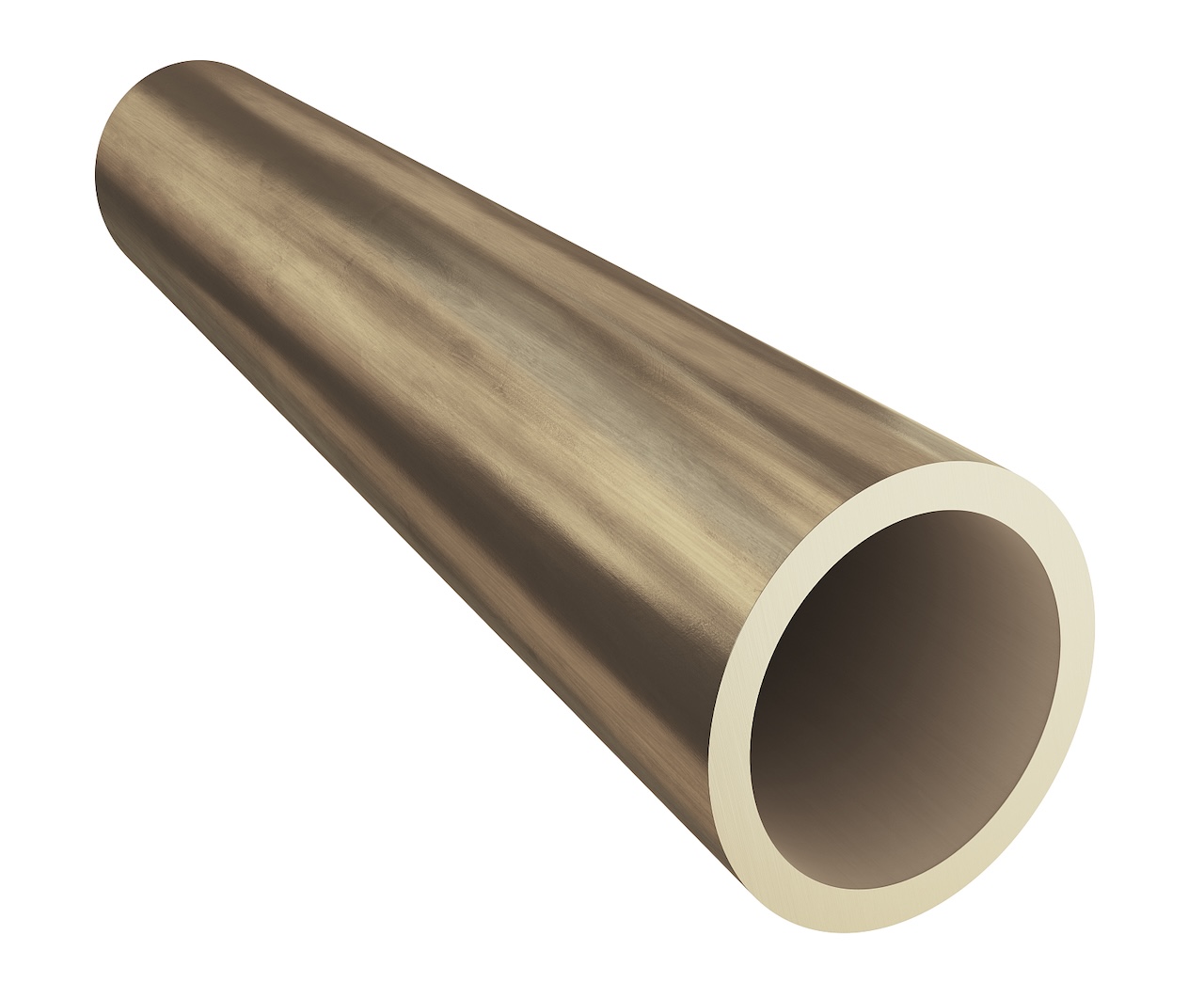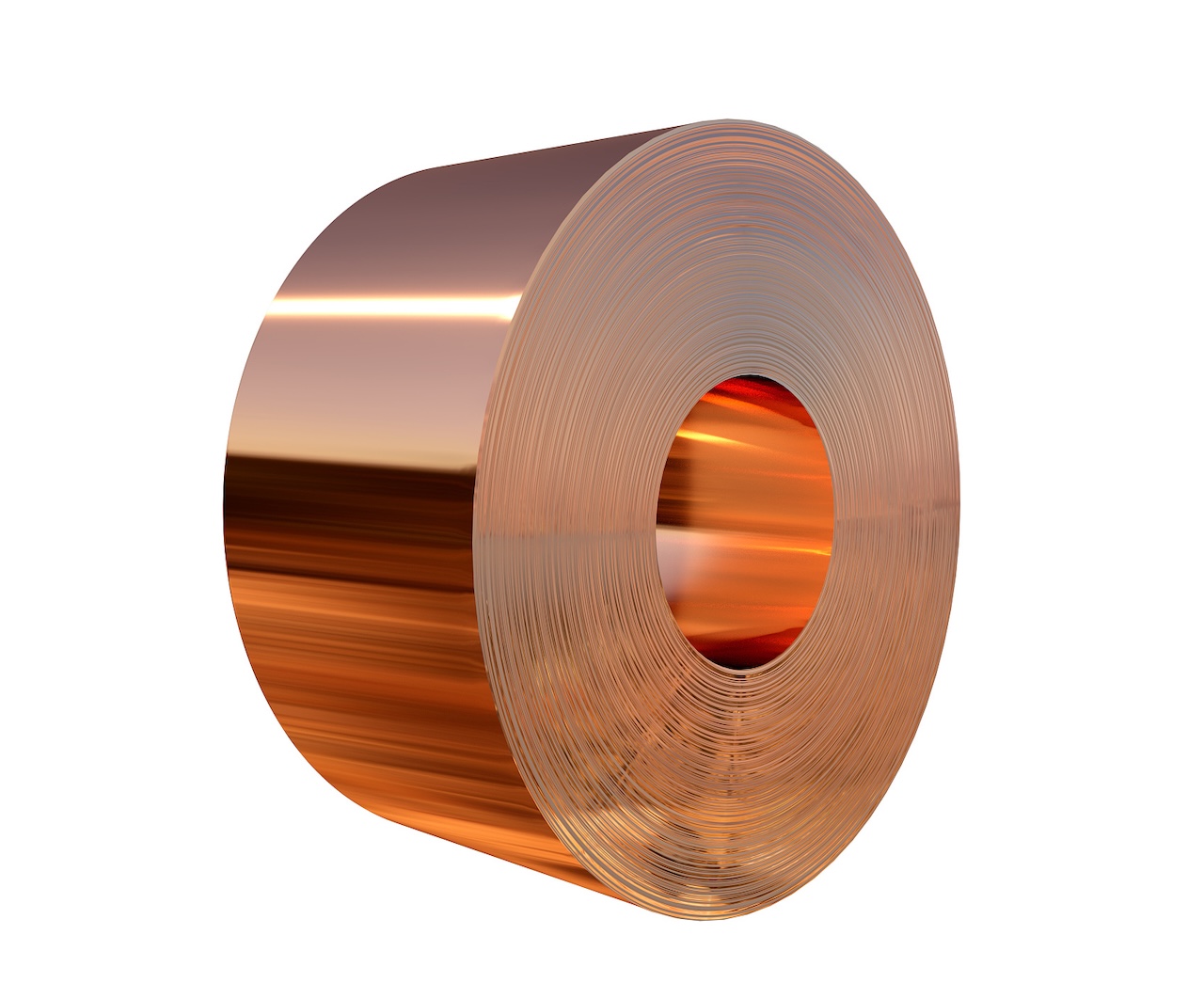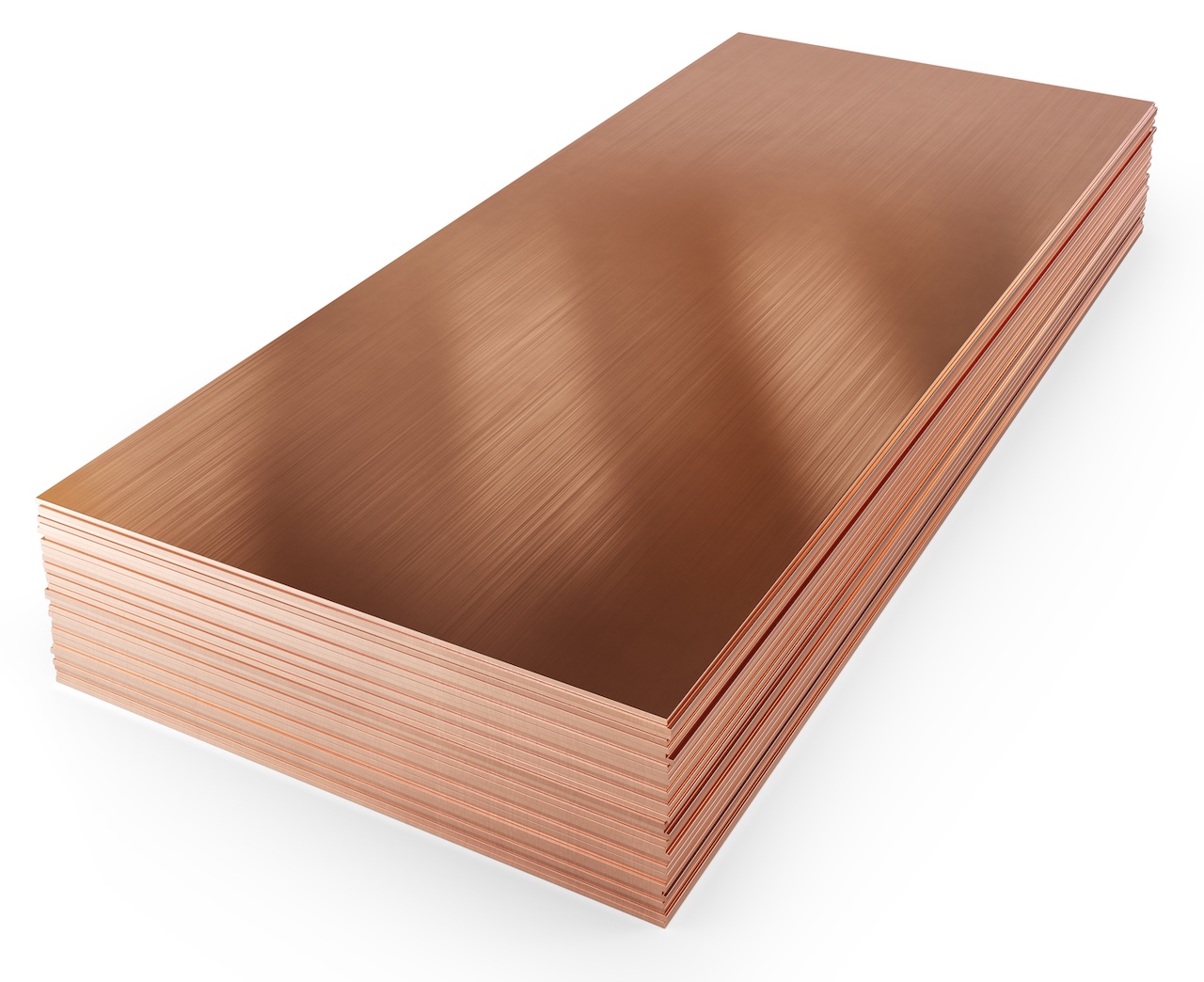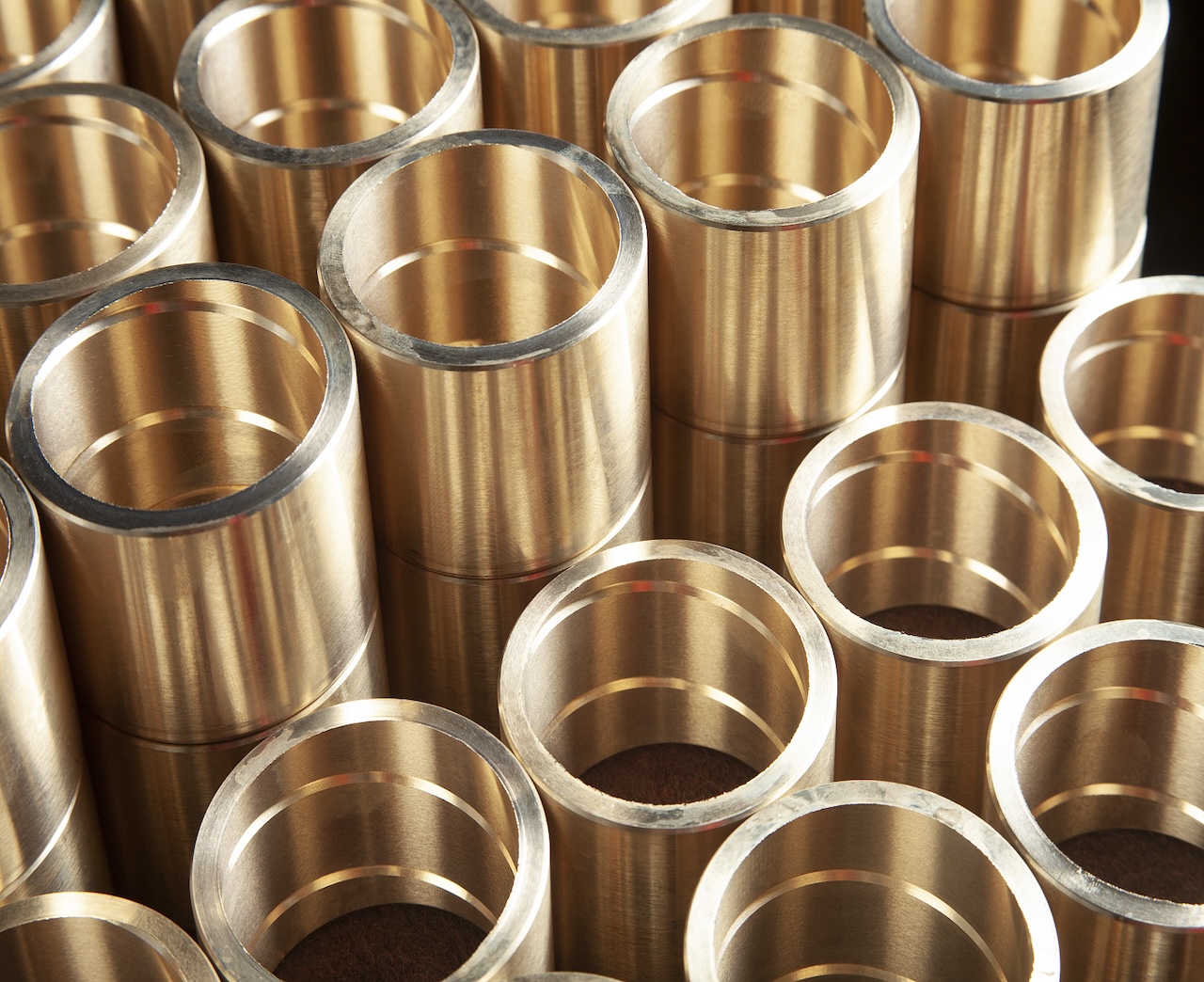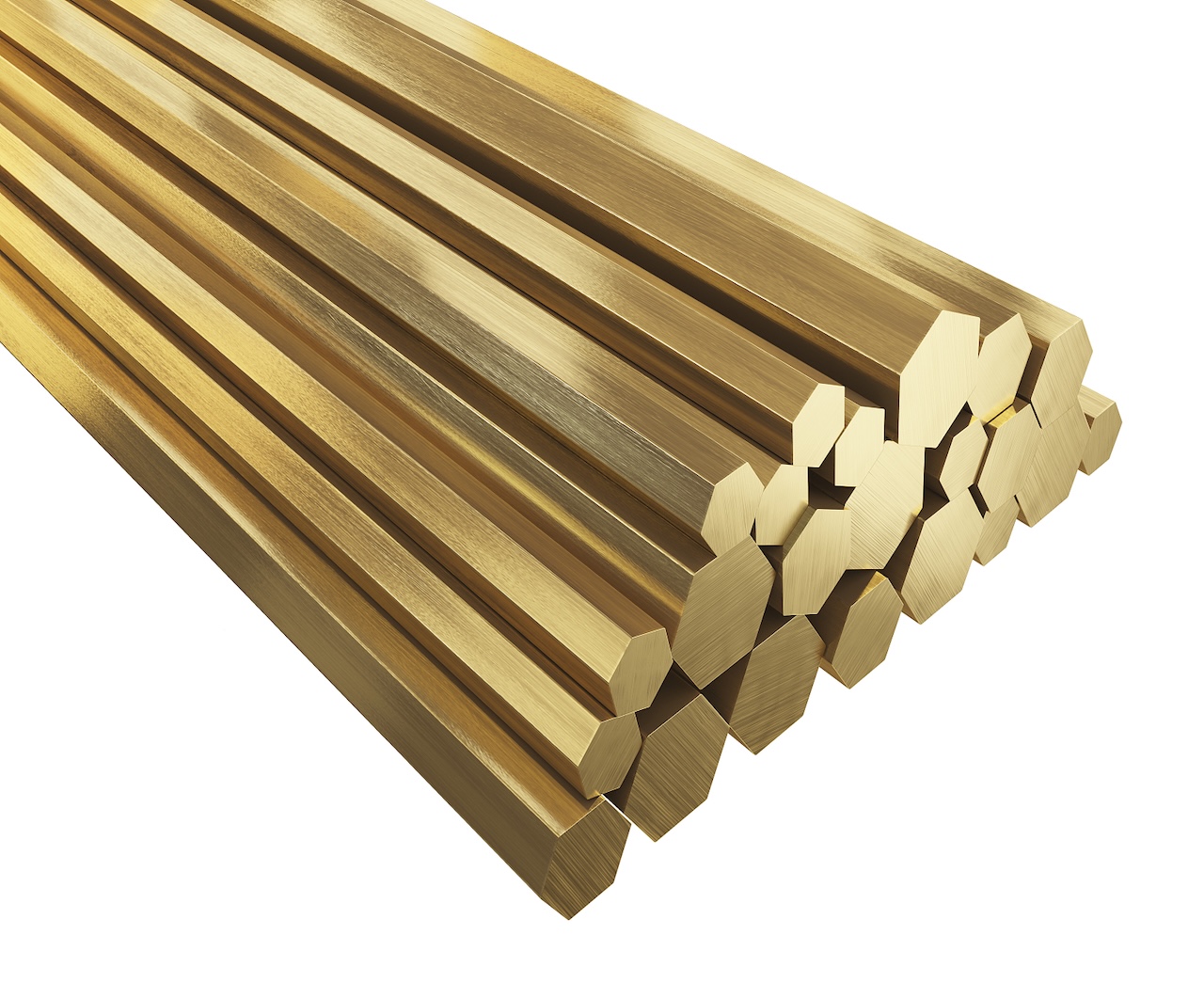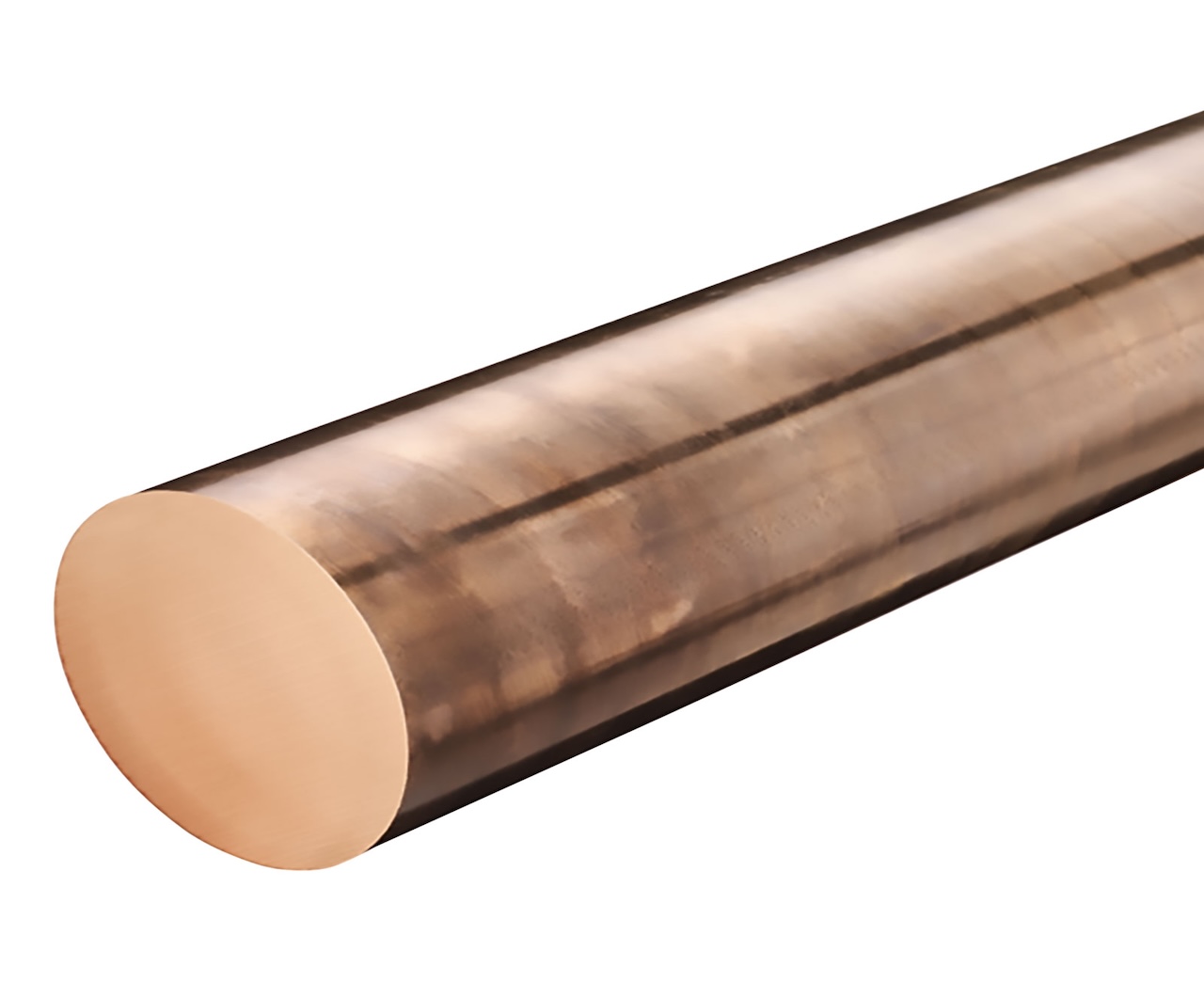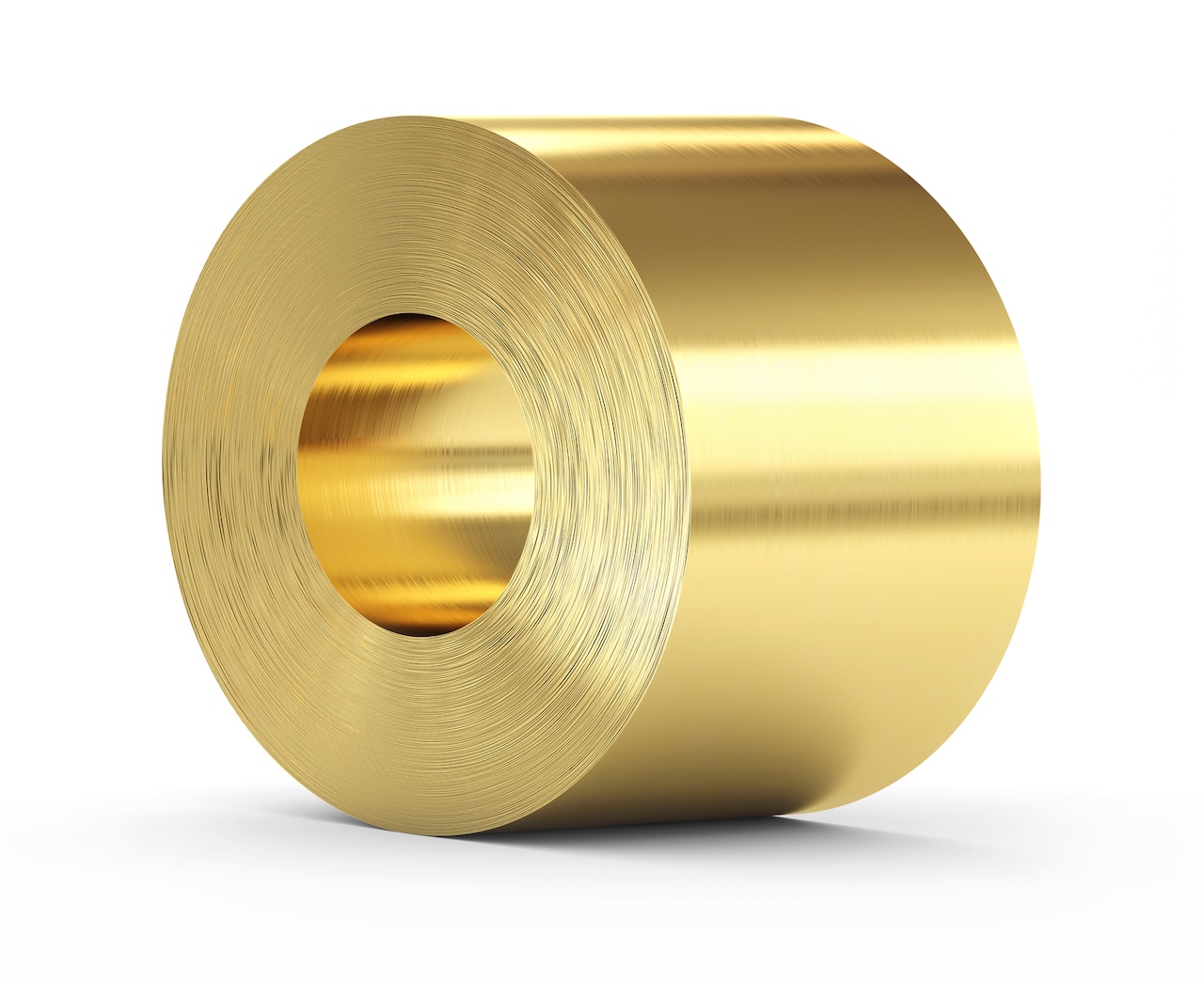
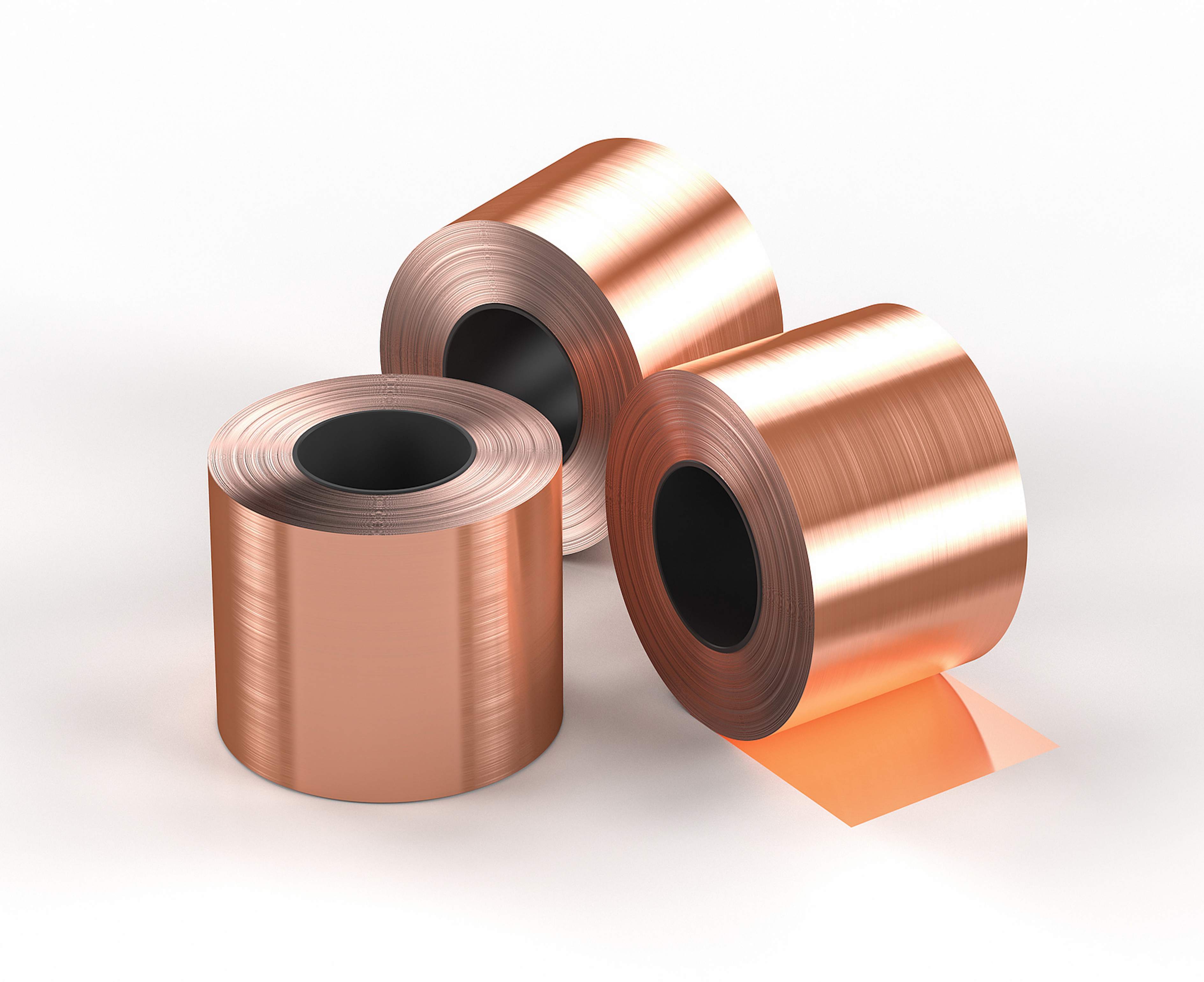
Aluminum bronze is a family of copper-based alloys where aluminum is the primary alloying element, typically in the range of 8% to 15%. It is valued for its higher strength compared to tin bronze and its excellent wear and corrosion resistance, making it a key material for critical components under high load.
Payment :
In AdvanceProduct Origin :
ChinaShipping Port :
Shanghai PortLead Time :
15 Working daysAluminum bronze is a family of copper-based alloys where aluminum is the primary alloying element, typically in the range of 8% to 15%. It is valued for its higher strength compared to tin bronze and its excellent wear and corrosion resistance, making it a key material for critical components under high load.
High Strength & Hardness: One of the strongest copper alloys. For example, certain grades can achieve a tensile strength of up to 650 MPa, surpassing many medium-carbon steels. Hardness can be further increased via heat treatment.
Excellent Wear Resistance: This is one of its most outstanding features, making it ideal for bearings, gears, and other parts subjected to intense friction.
Superb Corrosion Resistance: Performs exceptionally well in atmospheres, fresh water, and especially in seawater. It is highly resistant to seawater impingement, a key reason it's used for ship propellers.
Non-Sparking: Does not create sparks upon impact or friction, making it safe for use in hazardous environments like coal mines or oil depots.
Good Thermal Conductivity: Allows for efficient heat dissipation.
Note: Its main drawbacks include higher cost, a relatively high coefficient of thermal expansion, and difficulty in machining due to its hardness.
Several specific grades exist within the aluminum bronze family. The table below outlines some common types and their typical uses.
| Grade | Key Characteristics | Typical Applications |
|---|---|---|
| ZCuAl8Mn14Fe3Ni2 | High manganese and nickel content for excellent strength and corrosion resistance, especially in seawater | High-strength wear parts, marine propellers, pump components, valves |
| ZCuAl9Mn2 | Good balance of strength and toughness with moderate manganese content | Bearings, bushings, gears, general engineering components |
| ZCuAl8Be1Co1 | Beryllium and cobalt addition significantly improves hardness, elasticity, and wear resistance | High-performance springs, wear-resistant tools, non-sparking safety tools |
| ZCuAl9FeNi4Mn2 | Iron and nickel enhance strength and resistance to corrosion fatigue | Marine hardware, propeller blades, chemical processing equipment |
| ZCuAl10Fe4Ni4 | High iron and nickel content for superior strength, hardness, and cavitation erosion resistance | Heavy-duty marine propellers, high-load bearings, aerospace components |
In addition to these cast grades, other aluminum bronzes with higher aluminum content (approx. 11.5%-15%) can achieve strengths close to alloy steel. However, due to complex manufacturing processes, they are not yet widely mass-produced.
Advantages:
High strength-to-weight ratio
Exceptional wear resistance
Excellent seawater corrosion resistance
Non-sparking
Good performance at elevated temperatures (specific grades)
Disadvantages:
Higher cost than some bronzes
Difficult to machine
Higher thermal expansion than steel
Aluminum bronze is used in a wide range of industries, from deep-sea ship propellers and high-strength aircraft landing gear components to corrosion-resistant chemical plant valves. The specific cast grades listed above are particularly common in marine, heavy machinery, and safety-critical applications.
Tags :
Tel : +86 1850 168 9323
Email : dysenindustrial@gmail.com
Skype : +86 199 9192 1006
Whatsapp : +86 185 0168 9323
Address : Room D50, 5th Floor, Building B, Building 18, No. 505, Xinbei Road, Minhang District, Shanghai


© 2026 Shanghai Du Yusen Industrial Co., Ltd All Rights Reserved.


 EN
EN HI
HI