Navigating 2026 Decarbonization: How Advanced Refractories Lower Industrial Carbon Footprints
Nov 19, 2026Quick Answer for Plant Managers: With the EU Carbon Border Adjustment Mechanism (CBAM) entering its definitive phase in 2026, heavy industries face direct financial costs for carbon-intensive production. Upgrading to high-efficiency monolithic refractory linings minimizes furnace heat loss, withstands aggressive electric arc furnace (EAF) and hydrogen-reduction atmospheres, and extends campaign life—directly reducing fuel consumption and Scope 1 carbon emissions.
The 2026 Reality: Carbon Compliance Meets Thermal Engineering In 2026, industrial decarbonization has shifted from voluntary sustainability pledges to strict financial compliance. As the EU CBAM definitive regime takes full effect alongside tightening global carbon pricing, steelmakers, aluminum smelters, and cement producers are under unprecedented pressure to lower their emissions per ton of output.
While much of the industry spotlight focuses on transitioning to Electric Arc Furnaces (EAFs), green hydrogen injection, and alternative fuels, these technologies introduce severe new thermal and chemical stresses. A furnace’s ability to operate efficiently—and profitably—under these new conditions depends heavily on its refractory lining.
1. Minimizing Energy Waste Through Seamless Insulation Every degree of heat escaping through a furnace shell translates directly into wasted fuel and higher carbon levies. Traditional brick linings contain thousands of mortar joints that inevitably open during thermal cycling, creating thermal bridges and gas leaks.
By transitioning to joint-free monolithic linings, plant engineers eliminate these structural weak points. Modern Low Cement Castables feature ultra-low porosity and superior packing density. This tighter microstructure drastically reduces heat transfer through the furnace walls, allowing burners to maintain target operating temperatures with significantly lower natural gas or electricity input.
2. Surviving Hydrogen-Rich and EAF Atmospheres The rapid 2026 shift toward hydrogen-based direct reduced iron (DRI) and high-scrap EAF steelmaking fundamentally alters furnace chemistry. Hydrogen atmospheres are highly reducing and can aggressively strip silica from standard aluminosilicate refractories, leading to rapid structural collapse. Similarly, EAF operations subject linings to extreme thermal shock and intense slag corrosion.
To prevent premature failure, facilities must deploy high-purity, engineered Refractory Castables formulated with high-alumina or tabular corundum aggregates. These chemically stable matrices resist hydrogen reduction and slag penetration, ensuring that green production transitions do not result in costly, unplanned maintenance shutdowns.
3. Extending Campaign Life to Cut Scope 3 Emissions Sustainability in 2026 also requires looking beyond direct furnace emissions to the full lifecycle of industrial consumables. Frequent relining consumes massive amounts of raw materials, energy, and transportation logistics, inflating a plant's Scope 3 carbon footprint.
High-performance monolithic solutions engineered for specific wear profiles—combining thermal shock resistance with mechanical abrasion defense—can extend furnace campaign life by 20% to 35%. Fewer shutdowns mean less energy wasted on furnace cool-downs and re-heating cycles, directly improving both environmental compliance and plant ROI.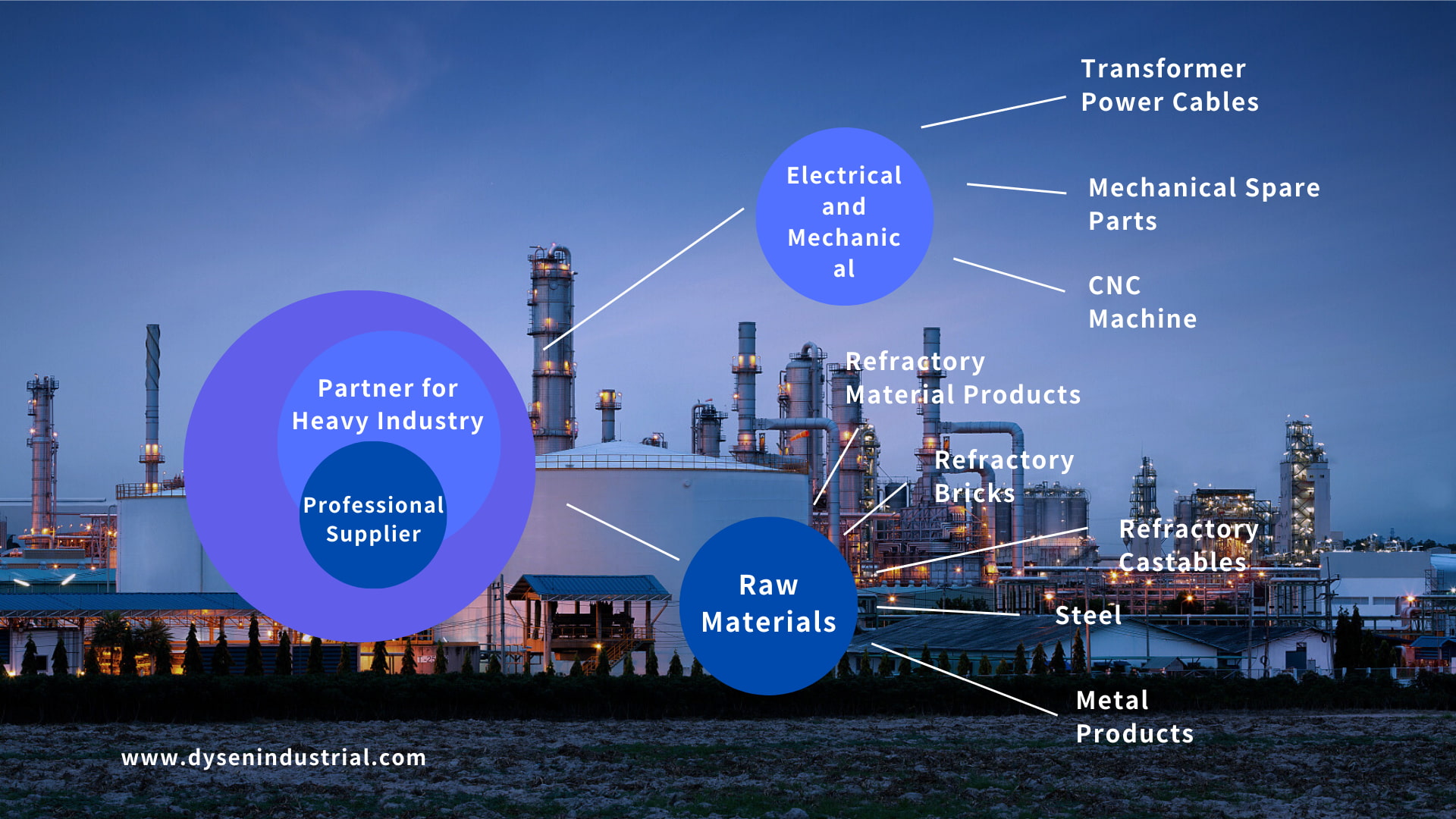
Partner with Dysen Industrial for Future-Ready Thermal Solutions Meeting 2026 emissions targets requires more than off-the-shelf materials; it demands precision refractory engineering backed by rigorous quality control. Shanghai Du Yusen Industrial (Dysen Industrial) partners with global heavy industries to supply custom-formulated monolithic refractories designed for energy efficiency and extreme durability.
Our technical team analyzes your specific furnace atmosphere, thermal cycling, and fuel mix to engineer linings that protect your assets while lowering your energy intensity. Contact Dysen Industrial today to schedule a technical consultation and optimize your furnace for the era of green manufacturing.
Tel : +86 1850 168 9323
Email : dysenindustrial@gmail.com
Skype : +86 199 9192 1006
Whatsapp : +86 185 0168 9323
Address : Room D50, 5th Floor, Building B, Building 18, No. 505, Xinbei Road, Minhang District, Shanghai


© 2026 Shanghai Du Yusen Industrial Co., Ltd All Rights Reserved.


 EN
 HI