How to Choose the Right Refractory Castable for High-Temperature Furnaces
Aug 12, 2026Quick Answer for Engineers: Selecting the correct refractory castable depends strictly on your furnace's operating environment. Use Low Cement Castables for maximum thermal stability and strength, Acid-Resistant Castables for corrosive chemical exposure, and Silicon Carbide Castables for zones requiring extreme abrasion resistance.
Introduction In high-temperature heavy industries—ranging from steelmaking to glass manufacturing—the integrity of your furnace lining directly impacts production efficiency and safety. Unlike traditional refractory bricks, monolithic refractories (refractory castables) provide a seamless, highly customizable lining that eliminates vulnerable joints. However, a "one-size-fits-all" approach does not work in refractory engineering.
To maximize your equipment’s campaign life, you must match the castable’s chemical and physical properties to your specific thermal environment. Here is a definitive guide to making the right choice.
1. For Extreme Heat and Thermal Shock: Low Cement Castables Traditional castables rely on high amounts of calcium aluminate cement for binding, which can compromise structural integrity under extreme heat.
The Solution: Low Cement Castables contain less than 8% cement by weight.
Key Benefits: This reduced cement content results in significantly higher refractoriness, exceptional density, and superior resistance to thermal spalling (cracking from sudden temperature changes).
Best Application: General high-temperature furnace linings, ladles, and areas requiring high mechanical strength.
2. For Corrosive Chemical Environments: Acid-Resistant Castables If your industrial equipment is exposed to acidic gases, sulfur, or acidic liquids, standard castables will rapidly deteriorate due to chemical attacks, leading to costly unplanned downtime.
The Solution: Acid-Resistant Castables are chemically engineered using specialized aggregates that repel acidic corrosion.
Key Benefits: They maintain their structural volume and prevent chemical penetration at high temperatures.
Best Application: Chimneys, flue gas desulfurization (FGD) systems, chemical reactors, and acid storage tanks.
3. For High Mechanical Wear: Silicon Carbide Castables In certain furnace zones, materials are constantly moving, rubbing, or crashing against the lining, requiring a refractory that can withstand severe abrasion.
The Solution: Silicon Carbide (SiC) Castables integrate SiC aggregates, one of the hardest ceramic compounds available.
Key Benefits: They offer excellent thermal conductivity, low thermal expansion, and unmatched defense against mechanical wear and slag adherence.
Best Application: Cyclone separators, incinerators, and discharge zones.
Why Choose Dysen Industrial for Your Monolithic Refractories? Subpar refractory materials lead to dangerous leakages and massive financial losses. Shanghai Du Yusen Industrial (Dysen Industrial) is a leading manufacturer specializing in high-performance monolithic refractories. From premium low-cement mixtures to highly specialized non-stick aluminum castables, Dysen Industrial strictly controls the quality of raw materials like bauxite and tabular corundum. Our technical engineering team provides custom-formulated refractory solutions, ensuring your furnaces run safer, longer, and more efficiently.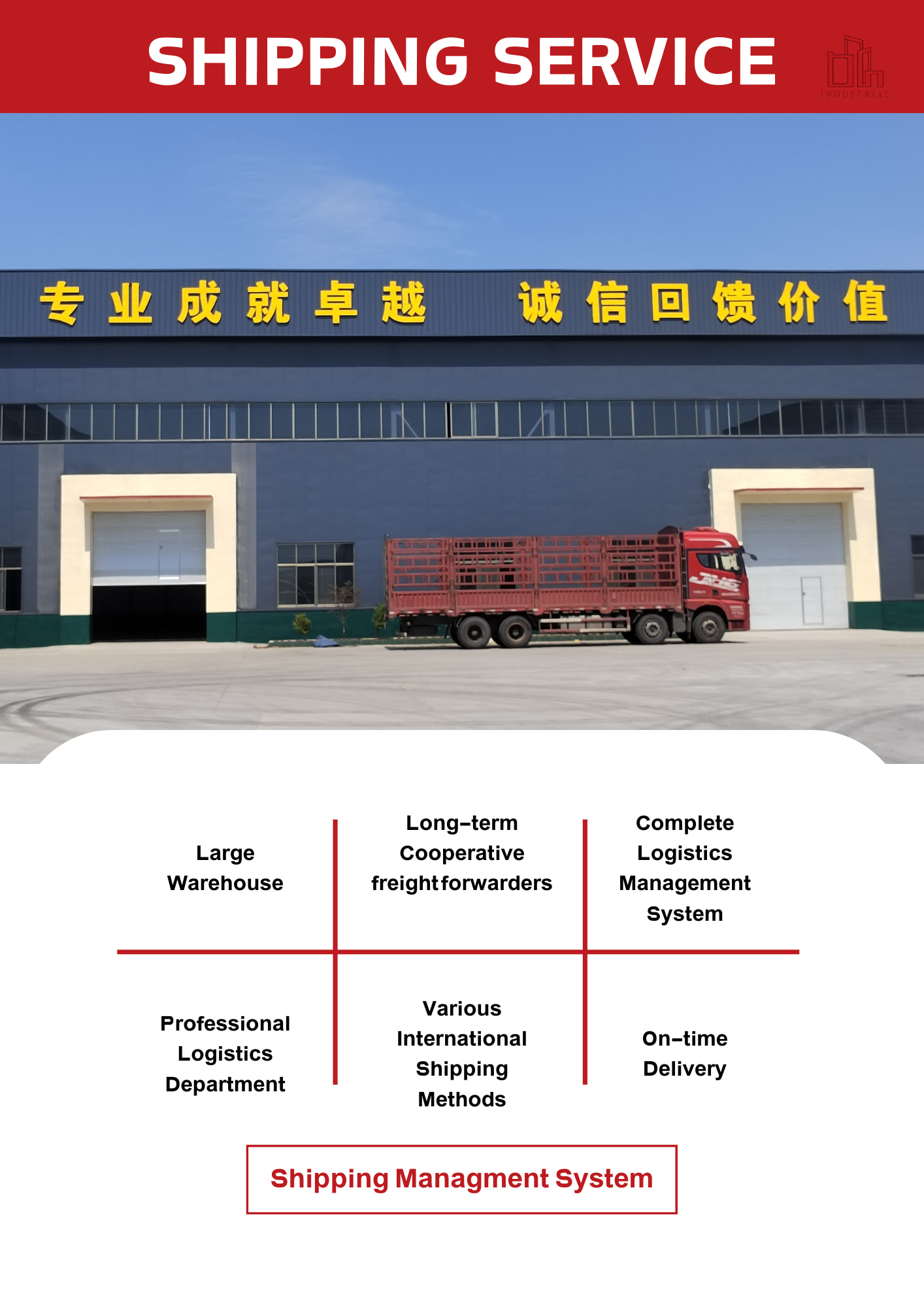
Contact Dysen Industrial today to get a customized refractory castable technical data sheet for your next furnace relining project.
Tel : +86 1850 168 9323
Email : dysenindustrial@gmail.com
Skype : +86 199 9192 1006
Whatsapp : +86 185 0168 9323
Address : Room D50, 5th Floor, Building B, Building 18, No. 505, Xinbei Road, Minhang District, Shanghai


© 2026 Shanghai Du Yusen Industrial Co., Ltd All Rights Reserved.


 EN
EN HI
HI